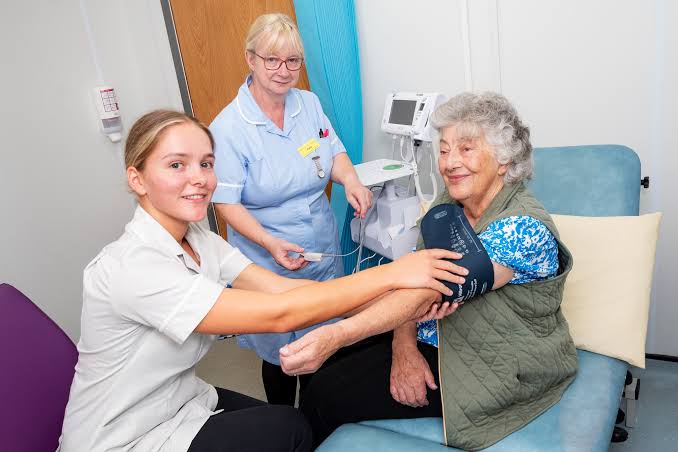
Before a planned operation, ask what it should achieve, what the alternatives are and what preparation applies specifically to you. Then clarify recovery, practical support and whom to contact if something changes. I would write these questions before the pre-operative assessment, when there is time to resolve uncertainty rather than trying to absorb every answer on the morning of surgery.
1. What should this planned operation achieve?
Ask which symptoms or risks the procedure aims to improve and how success will be assessed. Find out what may remain unchanged. A technically successful operation does not always mean every symptom disappears, so discuss the outcome that matters most in your daily life.
2. What are my alternatives, including waiting?
Ask about non-surgical options, a different procedure and the likely consequences of delaying or declining treatment. You need information relevant to your condition, not a comparison based only on someone else’s experience.
Stories on Manchester Chronicle cannot establish the balance of benefits and risks for you. Use any questions they raise as discussion points, then ask the surgeon how your health and proposed operation affect that balance.
3. Which risks and anaesthetic choices apply?
Discuss common complications and serious risks, including those made more likely by your own health. Ask which anaesthetic is proposed, what it involves and how pain or nausea will be managed. Tell the team about previous anaesthetic problems and allergies.
Consent is a conversation, not just a signature. Ask for an explanation in language you understand and request interpreting or accessible information when needed. Make sure there is time to consider the answers before confirming your decision.
4. What should I do about medicines?
Provide a complete list, including injections, inhalers, supplements and medicines bought without a prescription. Ask for written instructions on what to continue, pause or adjust, and when to restart anything stopped.
Do not stop blood thinners, diabetes treatment or other prescribed medicines on your own. If instructions from different teams conflict, contact the pre-assessment service. General appointment information on Local PR Services UK does not replace an individual surgical medicine plan.
5. Exactly when should I stop eating and drinking?
Follow your hospital’s specific fasting instructions. Rules can differ by procedure, anaesthetic and local policy; do not copy a timetable from another hospital. Ask what counts as an allowed drink and whether sweets, chewing gum or supplements affect preparation.
If you accidentally eat or drink outside the instructions, tell staff honestly and promptly. They need the details to assess safety. Also flag any condition that makes fasting difficult so the team can plan appropriately.
6. What happens if I become unwell beforehand?
Ask whom to contact about a new infection, change in symptoms or other health concern. Save the number and any out-of-hours instructions. Do not simply stay away without telling the hospital, or assume every minor illness automatically cancels surgery.
Confirm the hospital site, arrival time and likely admission arrangements. A general page on Glasgow Bulletin cannot tell you whether your operating list has changed. Use messages from the hospital and contact the booking team if they are unclear.
7. What help will I need after discharge?
Ask whether someone must collect you, stay with you or help with daily tasks. Clarify restrictions on driving, lifting, work and caring responsibilities. Arrange support before admission, particularly if you live alone or have stairs that may be difficult during recovery.
Ask what happens if the operation is postponed after you have arranged leave or begun preparation. Know which team will confirm a replacement date and whether any paused medicines need restarting. If a short hospital stay is expected, ask what could make it longer. Planning for uncertainty is more useful than treating a provisional discharge date as a promise that you will be ready for every usual daily activity immediately afterwards.
8. How will recovery and follow-up work?
Ask about wound care, expected discomfort, medicines and warning signs needing urgent help. Establish who will explain any test results and arrange follow-up. Request practical instructions and contact details in writing. Leave with a recovery plan that fits your home circumstances, not only a date for surgery.
This article provides general information, not individual medical advice; follow the instructions of the healthcare team responsible for your care.