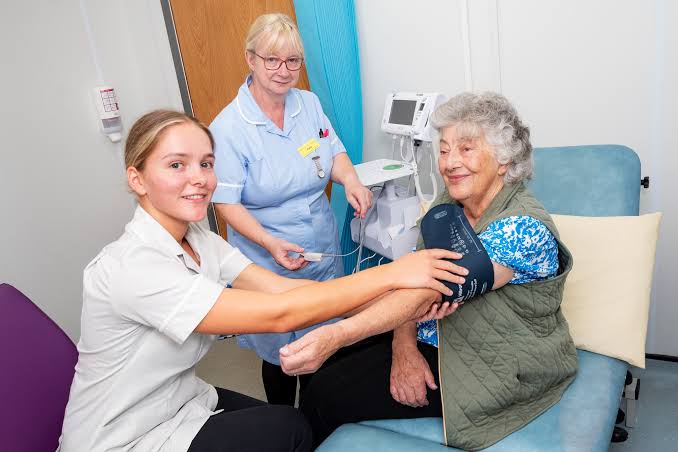
Eating disorder support can begin with a GP conversation as soon as eating, exercise or body-related worries become difficult to manage. You do not have to be visibly underweight or certain of a diagnosis to ask. I would describe the distress and its effect on daily life rather than wait for a particular number on the scales. Early assessment can address physical safety, mental health and the appropriate specialist route together.
1. When should I seek eating disorder support?
Ask for help if thoughts or behaviours around food, weight, shape or exercise feel consuming, frightening or hard to control. Difficulties can involve restriction, binge eating or compensatory behaviours, but you do not need to identify a diagnostic category yourself.
NHS advice is to see a GP as soon as you think an eating disorder may be present. If speaking feels difficult, take written notes or someone you trust. You deserve a respectful discussion even when your experience does not resemble a familiar stereotype.
2. Does body weight determine whether I qualify?
No single weight or BMI should decide whether someone is offered treatment. NICE explicitly advises against using BMI or illness duration alone. Assessment considers the wider pattern, physical changes, distress and risk.
A story in Hull Report cannot establish that another person is “sick enough” while you are not. Do not wait to become more unwell before seeking assessment. Tell the clinician if earlier experiences of being dismissed make asking for help difficult.
3. What will the GP ask or check?
The GP may discuss eating patterns, exercise, mood, physical symptoms and the impact on everyday life, alongside relevant physical checks. Explain medicines and supplements too. If weighing is distressing, tell staff and ask how the assessment can be managed sensitively.
Be honest about uncertainty and behaviours you feel embarrassed to describe. The purpose is to understand risk and support needs, not judge effort or appearance. You can ask why a particular question or check is necessary.
Keep personal notes private rather than post them at coventryinsight.co.uk. Written notes can help you explain the problem without rehearsing a story.
4. How is specialist help arranged?
If an eating disorder is suspected after initial assessment, NICE recommends prompt referral to an age-appropriate community eating disorder service. Local pathways differ across the four nations, so ask who makes the referral and what happens next.
Support may involve psychological treatment, physical monitoring and help with nutrition, according to the individual assessment. Ask about the proposed approach, the team involved and arrangements while waiting. A referral should not leave uncertainty about who monitors an immediate physical concern.
5. What if I am waiting or the referral is declined?
Ask for the reason, what further assessment is appropriate and whom to contact if health worsens. Discuss regular review and interim support. Do not assume that one service’s decision means the problem is unimportant or that no help is available.
Beat provides confidential information and support for people affected and those concerned about someone else. It is not an emergency or substitute for medical assessment. Check its current contact arrangements through the charity itself.
A general page at Plymouth Wire cannot confirm a waiting-list position. Keep the actual service’s acknowledgement, contact details and review plan together so follow-up does not depend on an unanswered message.
6. Can family or carers be involved?
Yes, support can involve trusted people where appropriate, with attention to consent, age and safeguarding. Ask what involvement would feel helpful and what information can be shared. Relatives can seek advice about supporting someone without trying to manage treatment alone.
Avoid comments praising weight change or comparing bodies. Focus on the person’s wellbeing and practical support. If someone refuses a conversation, concerned relatives can still ask a healthcare professional or specialist charity for guidance.
7. When is urgent help needed?
Do not wait for a referral when physical or mental health becomes unsafe. Seek urgent medical advice about marked weakness, fainting, dehydration or other concerning changes. Call 999 or attend A&E for serious symptoms or immediate danger. Recovery is possible, and appropriate care should address safety and the underlying difficulties, not only appearance.
This article provides general information, not an individual assessment or treatment plan; seek appropriate professional advice for health concerns.